VenaMilan
Thirteen objects in Italian stone, each cut from one block and numbered. Then never a fourteenth.
Stone and the human body share a language of form.
Both are shaped by time. Both carry unique marks, subtle variations, and an identity that cannot be repeated.
The veins running through stone resemble the hidden lines beneath the skin — traces of movement, memory, and life. Its surfaces invite touch. Its weight creates presence. Its imperfections make every piece singular.
Our work is designed as a meeting between the human body and the material body of stone. Soft gestures encounter precise forms. Warm skin contrasts with cool surfaces. Movement meets permanence.
Each piece is created to live alongside the body — to support it, surround it, and become part of the spaces where life unfolds.
The body moves. Stone remains.
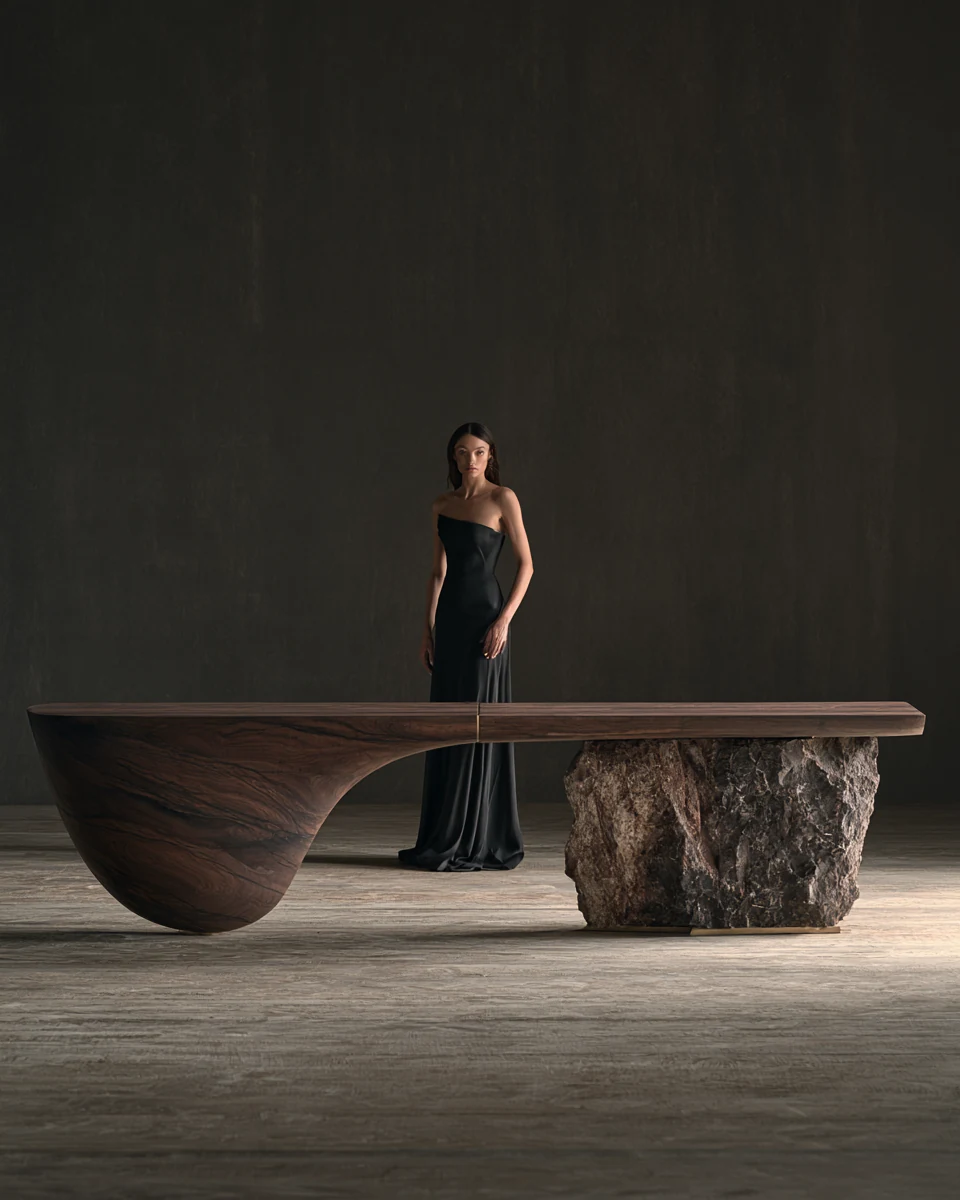
We work from the block.
The mountains began forming hundreds of millions of years ago. A block is where that stops long enough to be held: one mass of stone, the vein running through it in every direction.
We take the object out of it whole. Top, edge and foot come from the same mass, so the vein that crosses the surface goes on through the edge and stops where the stone stops.
Thirteen blocks, thirteen objects, each numbered, each certified. The certificate names the quarry, the block, the number and the date. The stone began long before us. It goes on after you.
One block, one object.
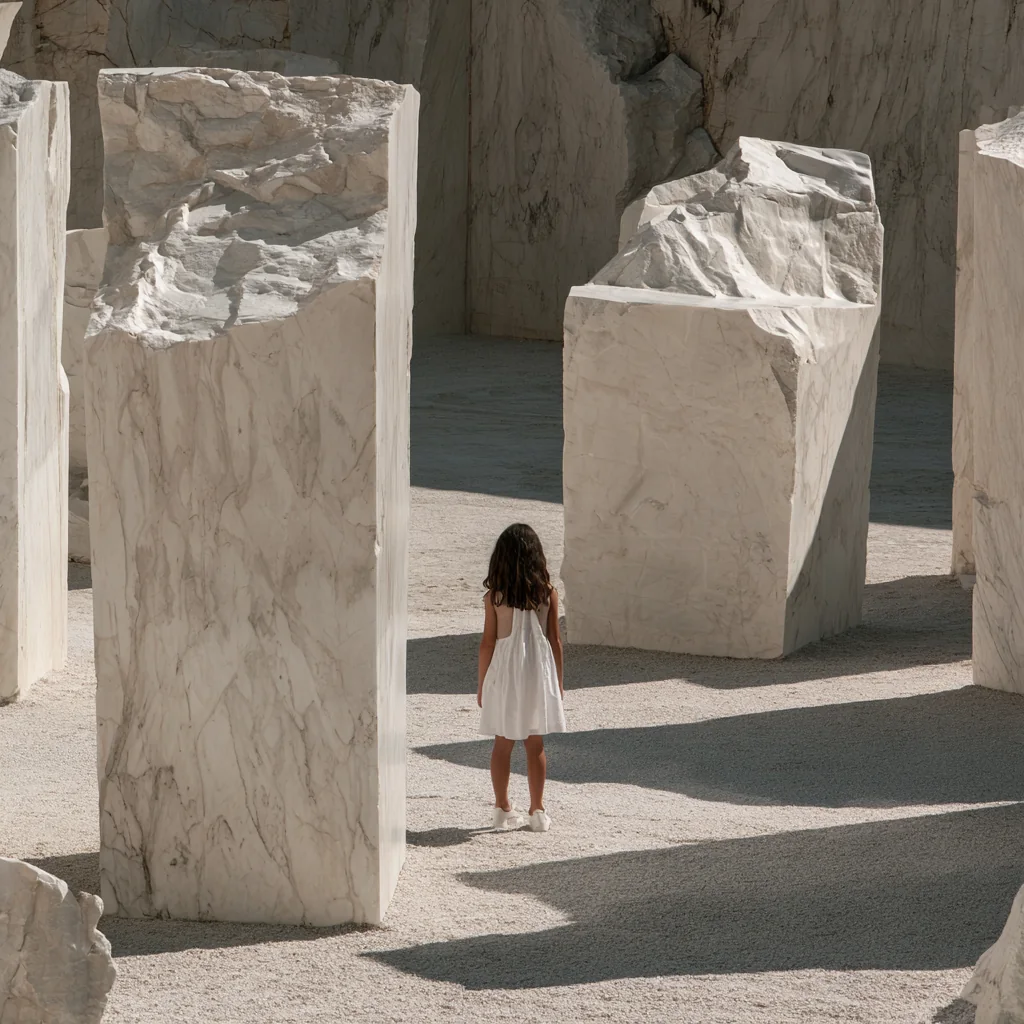
Marble is the protagonist.
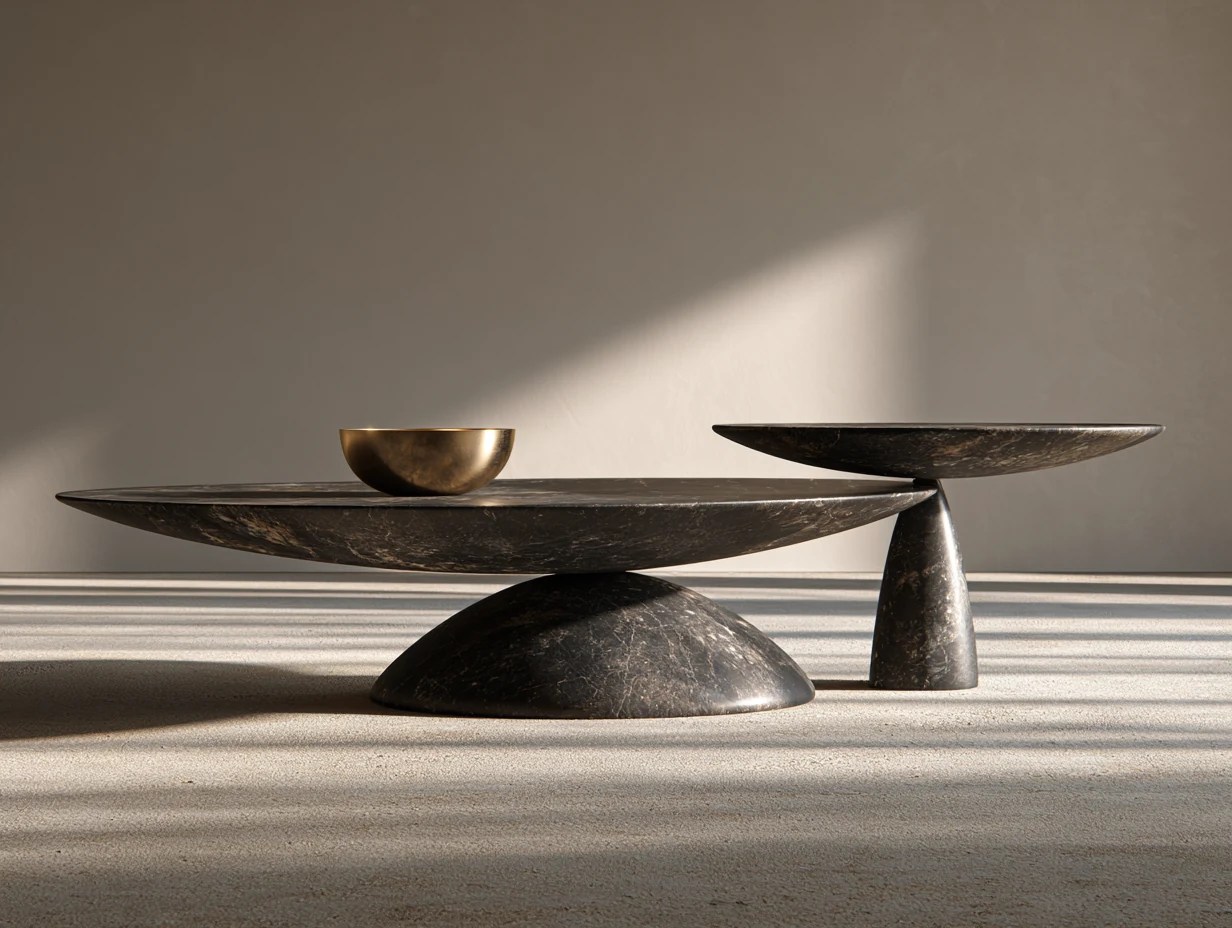
Puteal
Low table · the wellhead ring · by commission
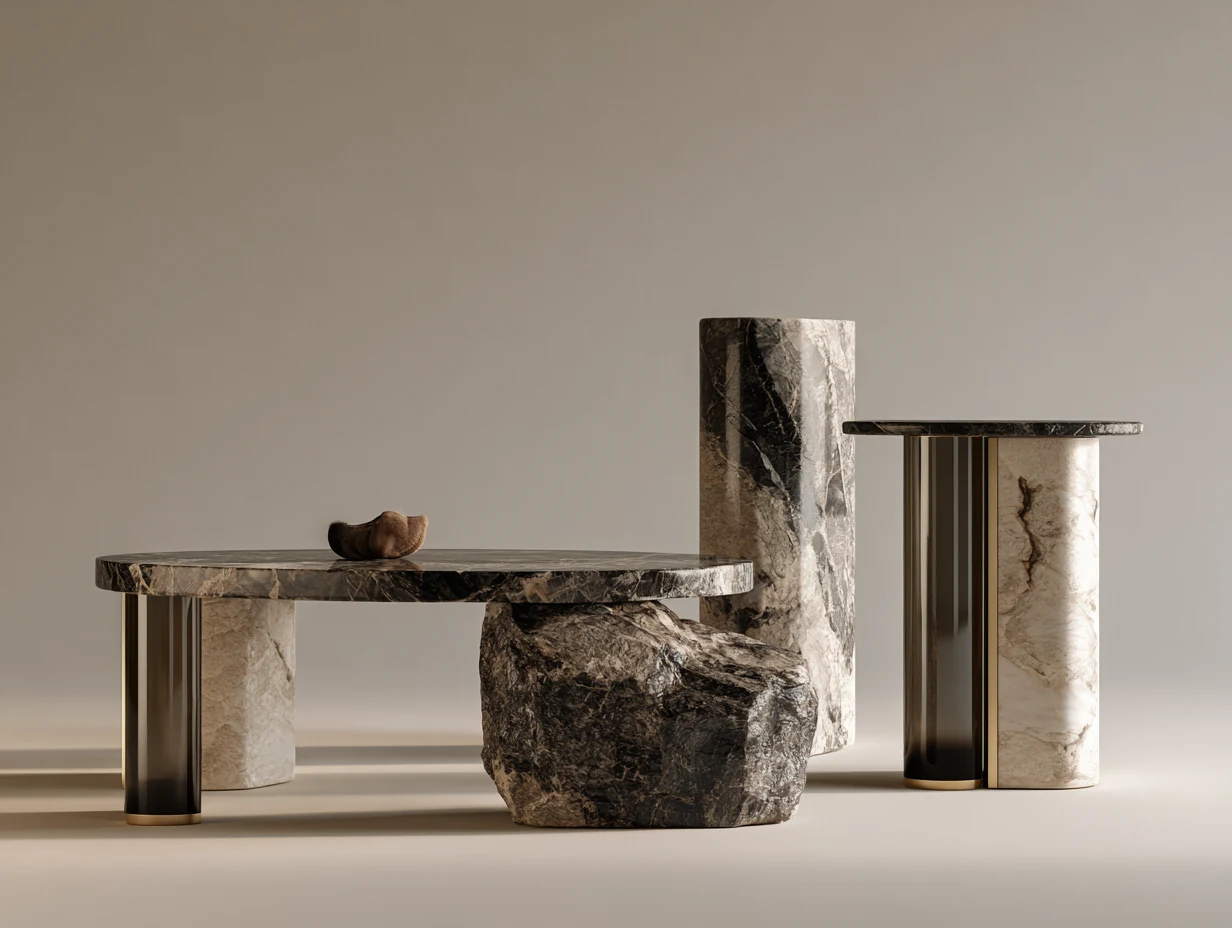
Limen
Console · the threshold stone · by commission
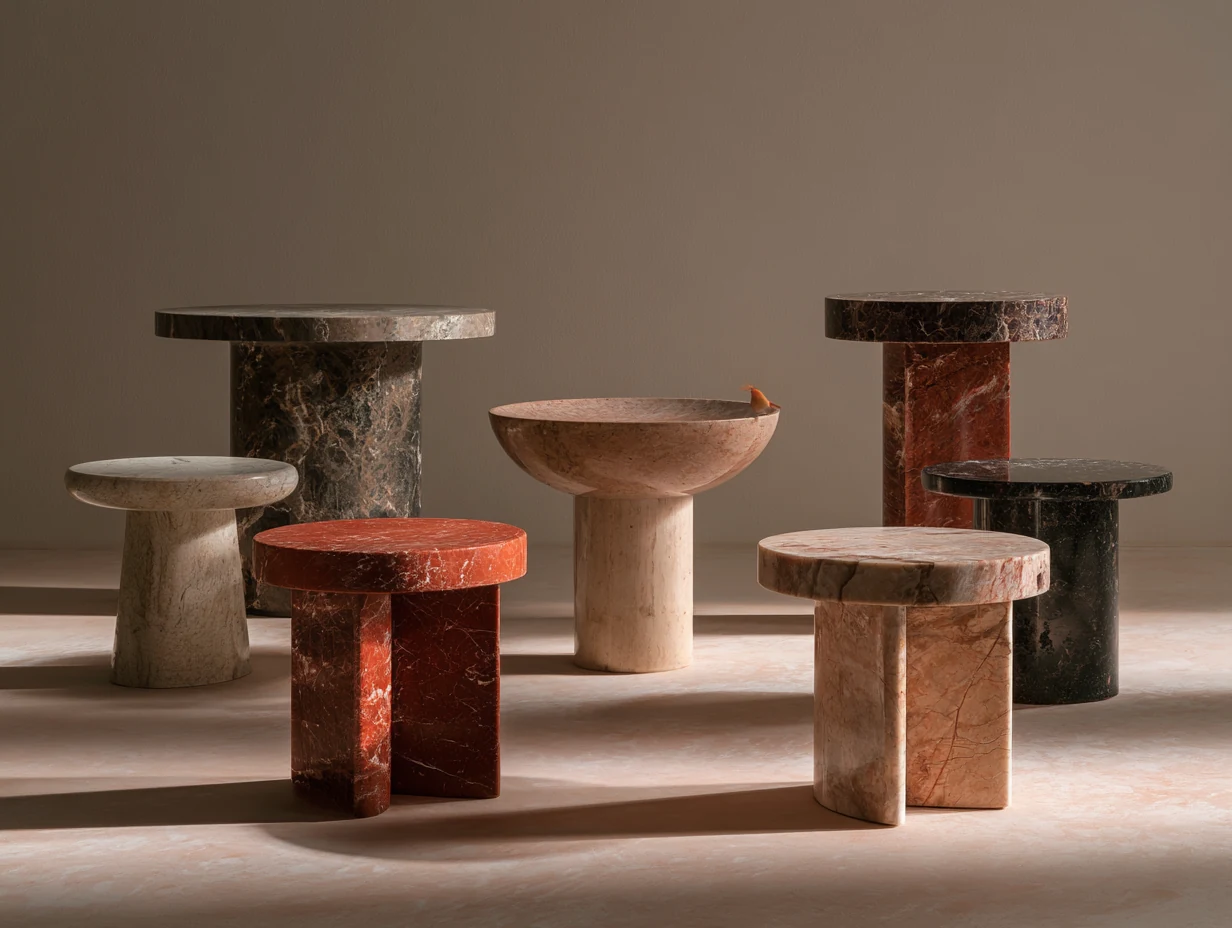
Cippus
Side tables · the marker stone · by commission
Every piece is named for a Roman stone that a body met — the threshold it crossed, the wellhead it leaned on, the hearth it gathered at. A dialogue between ancient material and contemporary design.
The stone is opened, and the opening is lit.
Objects inspired by ancient gods and the aesthetics of Ancient Rome. Nothing is applied to the stone and nothing is hidden inside it.
Marble, brass, smoked glass, wood, metal.
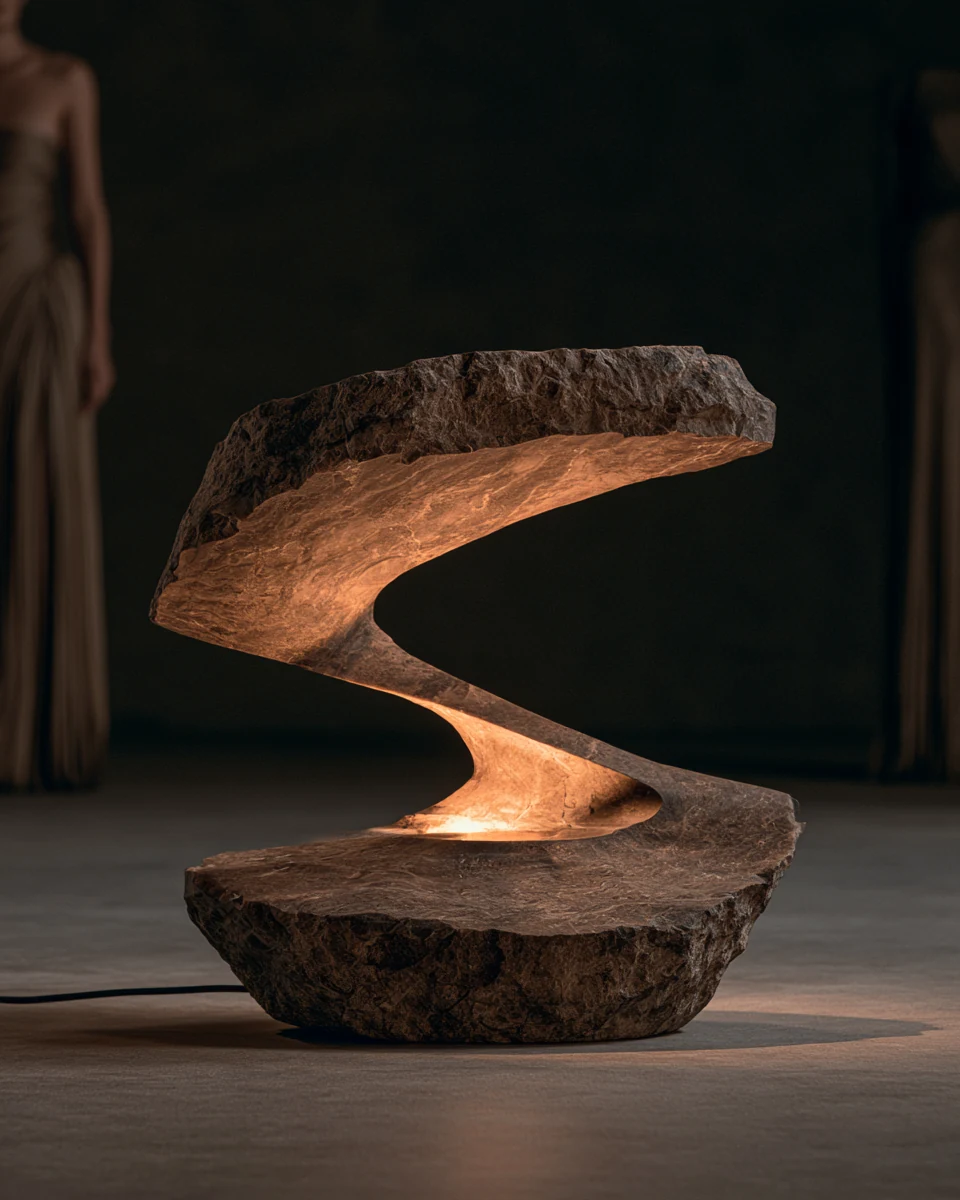
Ten stones. We go and see them before we choose.
We are like rare book collectors. We see you, and we want to find you another part of you — and we will cross the universe left and right, up and down to find it.
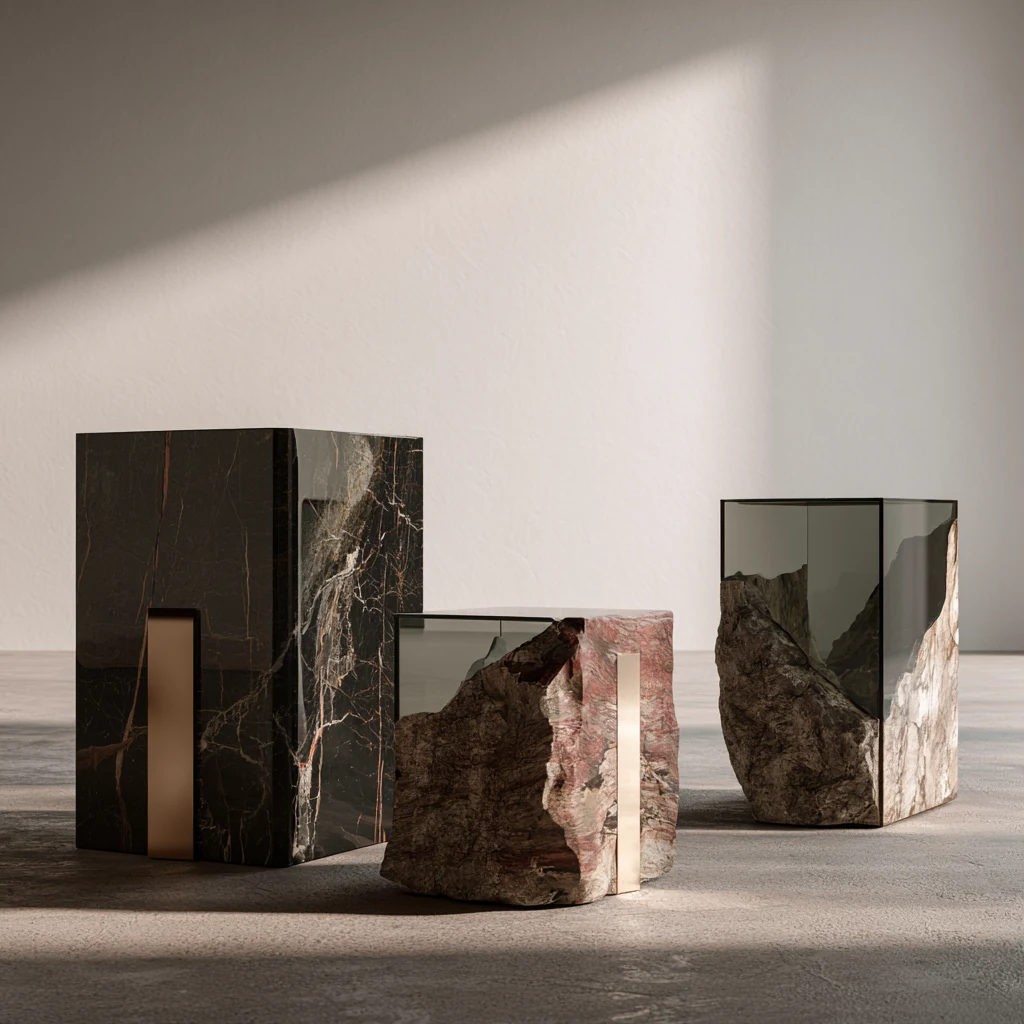
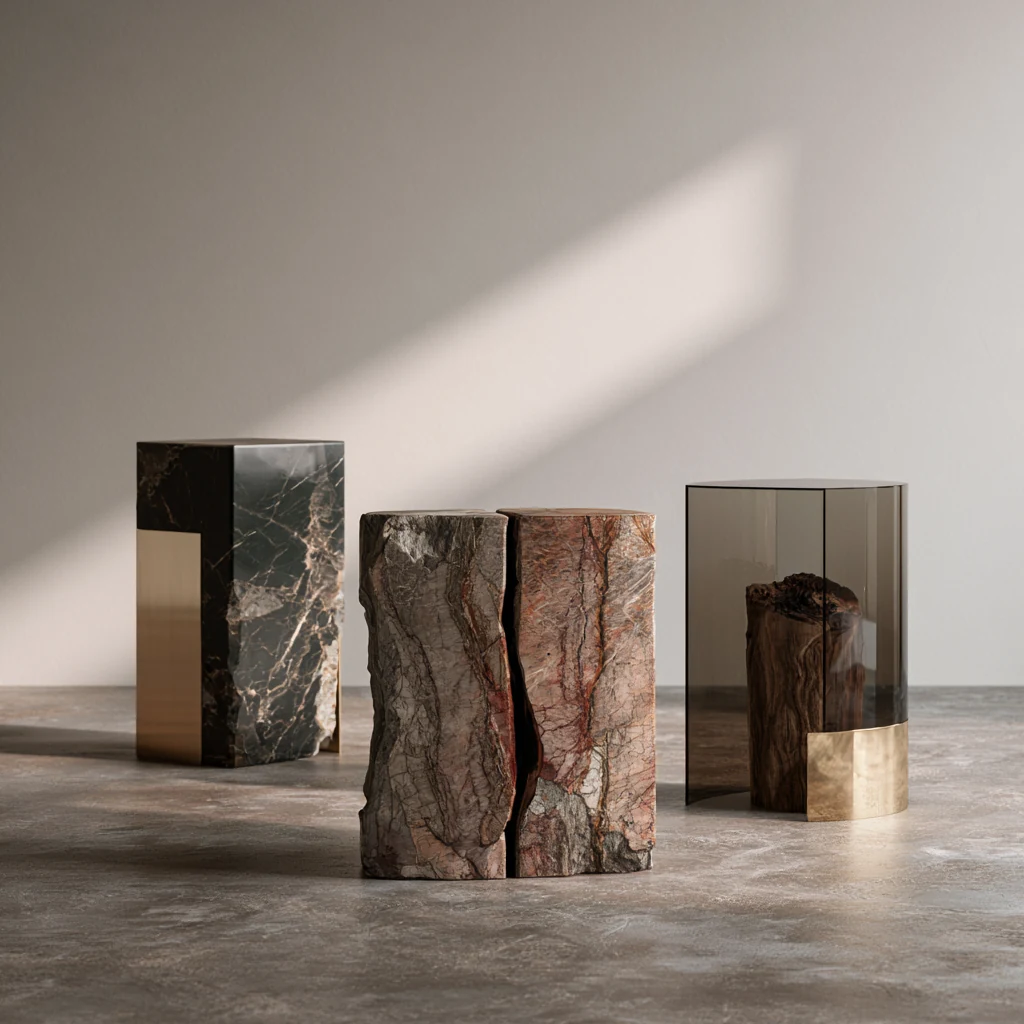
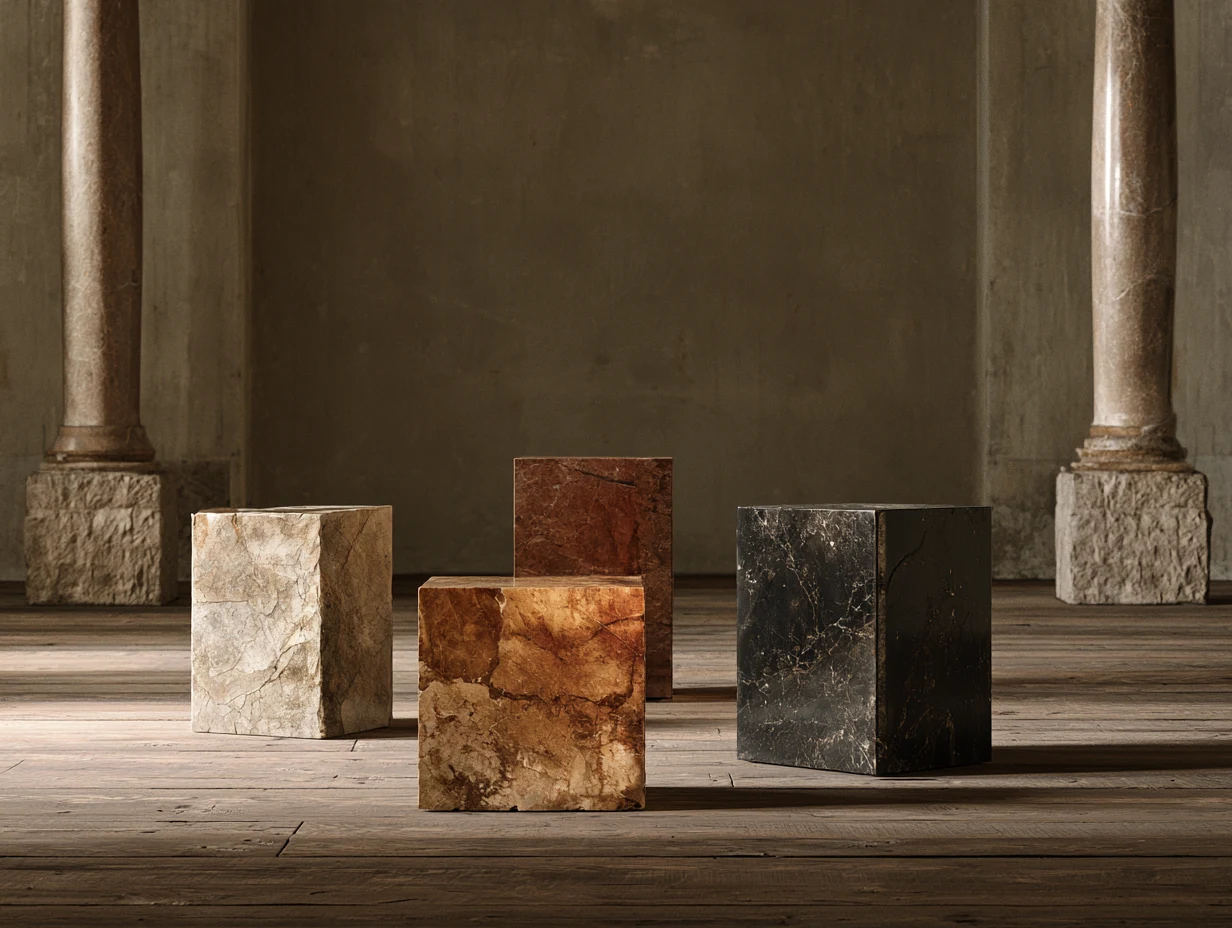
Breccia Medicea dell'Acquasanta — Stazzema, the anchor
Calacatta Borghini
Calacatta Viola
Calacatta Verde
Travertino Noce — Rapolano
Fior di Bosco
Bardiglio Nuvolato
Giallo Siena
Nero Portoro
Rosso Levanto
Named on the certificate, one block to one object.
One quarry cuts it, and the same hands work it.
Breccia Medicea dell'Acquasanta comes out of a single active quarry at Stazzema, inside the Apuan Alps park. The same house quarries the block and works it. Nothing passes through a middleman.
Fifty minutes from Carrara, and the only active quarry cutting this stone.
From a drawing to a certificate.
Four steps. The stone sets the pace.
- You leave a drawing and a size.What the piece is for, and the room it will live in.
- The quarries tell us when the right block appears.We do not order stone. We wait for it.
- You choose the vein before it is cut.Photographs from the yard, in daylight, while it is still a block.
- It is cut, numbered, and certified.Numbered against the edition, and yours before it leaves Italy.
About three months, from drawing to delivery.
There is only one object that is for you.
Pieces in the first edition. Cut, numbered, certified, shipped — and never a fourteenth.
One body, one object. The stone is as unique as you are, and in some ways it is a missing part.
Stone outlives its gods. The certificate names the quarry, the block, the number and the date.
An architect's first objects.
Filippo Erasti trained as an architect in Florence and works from the Baltic. He draws every piece the way he draws a building: proportioned and resolved before anything is cut.
These are his first objects in stone.
You should request an invitation.
Not everyone can step into the workshop. Tell us the room, and we will tell you what is possible in it.
We answer every one. Thirteen pieces means we can.